


Conditions – Colon and Rectum
Diverticulosis
Many people first hear the word diverticulosis after a routine examination, often when they were being checked for something else entirely. The finding can sound alarming. In reality, it is one of the most ordinary changes the bowel undergoes with age, and for the great majority it never causes a moment’s bother.
Dr Georgios Markides CCT (UK), a Consultant General and Colorectal Surgeon based in Nicosia, regularly reassures patients who arrive worried about this diagnosis. This guide sets out what the condition involves, how it differs from its better-known relative, and the steps that keep it under control. The intention is plain, accurate information rather than unnecessary concern.
What the Condition Actually Is
A simple definition makes the rest far easier to follow.
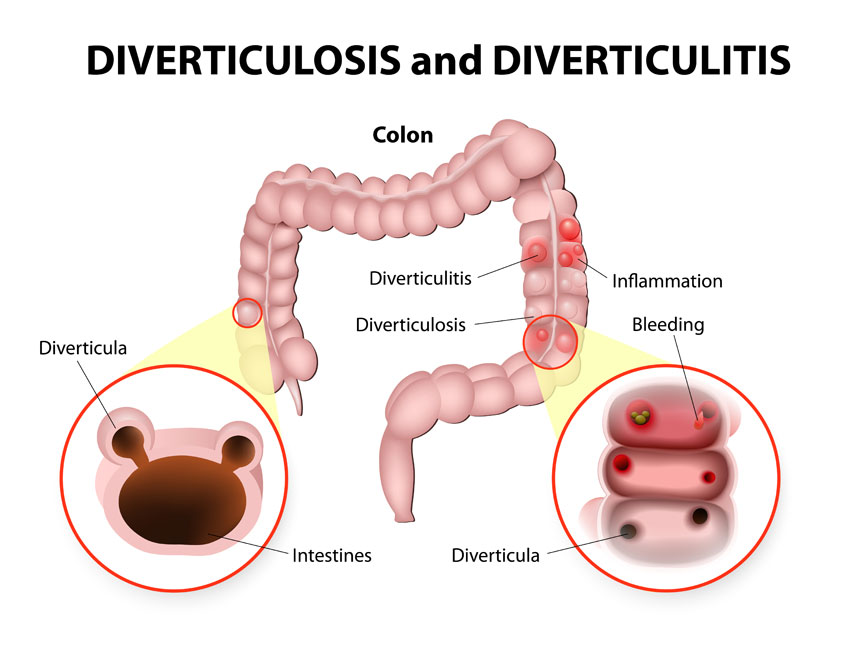
Diverticulosis is the presence of small pouches that form along the lining of the colon. These little sacs develop where the inner lining pushes through weak spots in the bowel wall, gradually bulging outward over many years. A single pouch is called a diverticulum; several together are diverticula.
The pouches tend to appear most often in the final stretch of the large intestine, the sigmoid colon, where waste is firmest and presses hardest against the colon wall. When several of these abnormal pouches are present, the term colonic diverticulosis is sometimes used.
For most people, that is the whole story. The pouches simply exist, and they’re not causing any symptoms at all.
Diverticulosis Versus Diverticulitis
These two terms are frequently muddled, so a clear separation helps.
Diverticulosis describes having the pouches. Diverticulitis means one or more of those pouches has become inflamed, usually because of a minor infection. The difference matters enormously, because one is a quiet structural change while the other is an active illness that can cause real discomfort.
|
Feature |
Diverticulosis |
Diverticulitis |
|
What it is |
Pouches present in the colon |
Inflammation or infection of pouches |
|
Symptoms |
Usually none |
Pain, fever, change in bowel habit |
|
Urgency |
Routine |
Often needs prompt treatment |
|
Frequency |
Very common with age |
Affects a minority of those with pouches |
Put simply, having the pouches does not mean you will ever develop the inflamed version. Only a small proportion of people progress that far.
Symptoms You Might Notice
Here lies the reassuring part of the picture.
Diverticulosis on its own rarely produces any noticeable effects. People live with it for decades, completely unaware, until a scan or colonoscopy reveals it. That quiet nature is exactly why it so often turns up by chance.
When symptoms do appear, they usually point to a related issue rather than the pouches themselves:
- Lower abdominal discomfort or bloating, particularly if constipation is present.
- Cramping that comes and goes after meals.
- Episodes of diverticular bleeding, which may show as fresh blood and is generally painless.
- Sharper pain and fever, which suggest the inflamed form rather than the simple condition.
A point worth stressing: rectal bleeding should always be reported to a doctor, even when it stops by itself, since it deserves proper assessment.
Why the Pouches Form
What lies behind this gradual change? Diet appears to play the leading role.
A low-fibre diet produces firmer, slower-moving waste. As that denser material travels through the bowel, it presses against the muscle layer and the inner lining, slowly forcing small defects to give way. Over time, the lining pushes outward through those points, and pouches form. This is a common condition that can develop steadily across the decades.
Researchers also suspect a genetic element, since the pattern varies between populations. People in Western countries, where processed food features heavily, are affected far more often than those eating traditional high-fibre diets. That observation has shaped most of the current dietary advice.
Who Is Most Likely to Develop It
Certain factors make the pouches more probable. Age is the strongest by some distance.
The likelihood rises sharply over the years:
- Age. It is uncommon before 40, yet affects a large share of people past 60, and most by their eighties.
- A diet low in fibre, the factor most within personal control.
- Physical inactivity, which slows the passage of waste.
- Excess weight and smoking, both linked to a higher chance of complications.
- Family history, suggesting inherited tendencies in some cases.
You cannot change your age or your genes. Diet and activity, on the other hand, sit firmly in your own hands, which is encouraging.
How It Is Diagnosed
Because the condition is so often silent, it is rarely sought out directly. It tends to surface during tests arranged for other reasons.
Colonoscopy
A colonoscopy is the usual route to a diagnosis. A thin, flexible camera passes through the colon, allowing the surgeon to see the pouches clearly and rule out anything more serious at the same time. Dr Markides is an accredited colonoscopist certified by the Joint Advisory Group (JAG) in the UK.
Imaging and Other Checks
A CT scan can show the pouches and reveal whether any inflammation is present, which is especially useful when symptoms suggest the inflamed form. Blood and stool tests sometimes accompany these, helping to confirm or exclude infection and bleeding.
Treatment and Day-to-Day Management
For the simple condition, formal treatment is often unnecessary. Management centres on diet and sensible habits rather than medication or procedures.
When No Treatment Is Required
If there are diverticula but no symptoms, most people need nothing beyond a few adjustments to their eating and lifestyle. The aim is to keep the bowel working smoothly and to lower the chance of future trouble.
When Action Becomes Necessary
A minority do require help. Persistent diverticular bleeding can sometimes be stopped during a colonoscopy, where the surgeon seals the affected vessel. In rarer, more complicated cases involving repeated inflammation or serious complications, surgery to remove the affected segment of bowel may be considered. When an operation is needed, Dr Markides completes these procedures laparoscopically in over 95 per cent of cases, which generally means less pain and a quicker recovery. Such situations are the exception rather than the norm, and Dr Markides discusses every option fully before any decision is made.
Diet, Fibre and Prevention
Diet is the cornerstone of keeping this condition quiet, and small changes go a long way.
A high-fibre diet softens waste and helps it move through the colon more easily, reducing the pressure that drives the formation of pouches in the first place. For anyone already affected, the same fibre diet may help prevent further pouches and ease symptoms tied to constipation.
Practical measures include:
- Eating more whole grains, fruit and vegetables throughout the day.
- Drinking plenty of water, which allows fibre to do its work properly.
- Staying physically active to keep the bowel regular.
- Consider a fibre supplement if your diet falls short, taken with adequate fluids.
Older advice once warned against nuts and seeds, though current evidence no longer supports that restriction for most people. It is a small example of how guidance shifts as research advances our understanding of health.
When to Take It Seriously
Most of the time, this is a condition to live alongside rather than fear. A few signs, however, warrant prompt attention.
Seek medical advice if you notice significant abdominal pain with a fever, ongoing changes in bowel habit, or any rectal bleeding. These features may point to inflammation, infection, or another bowel disease that needs checking. While diverticulosis itself is not linked to cancer, similar symptoms can have other causes, which is precisely why assessment is sensible rather than guesswork. Catching diverticular disease early keeps the outlook reassuringly good.
Your Care with Dr Markides in Cyprus
The clinician overseeing your bowel health makes a genuine difference, particularly when symptoms need careful interpretation.
Dr Georgios Markides trained for seventeen years across the United Kingdom, graduating with honours from the University of Manchester before completing higher surgical training in major teaching hospitals. He holds the Certificate of Completion of Training (CCT) from the General Medical Council and a Master’s degree in Advanced Surgical Practice awarded with Distinction, alongside recognition from the Association of Coloproctology of Great Britain and Ireland. In 2016, he became a permanent Consultant Colorectal Surgeon at the Royal Blackburn Teaching Hospital, managing thousands of emergency and elective cases. After moving his practice to Cyprus in 2018, he has performed thousands more procedures. His focus lies in advanced colorectal cancer surgery, personally undertaking over 100 major colorectal oncological operations each year, with a laparoscopic success rate above 95 per cent. As a JAG-accredited colonoscopist, he has also carried out thousands of diagnostic examinations.
Patients often value his measured, unhurried manner as much as his expertise. Based at the Apex Building in Strovolos, Nicosia, the clinic welcomes people from across Cyprus, including Larnaca, Limassol, Paphos, and Famagusta, with on-site diagnostics available.
Frequently Asked Questions
Can diverticulosis go away on its own?
No, the pouches do not disappear once they have formed. There is currently no treatment that reverses them. The good news is that they rarely need to be removed, since most cause no problems at all. Management focuses on preventing further pouches and avoiding complications, mainly through a higher-fibre diet, good hydration and regular activity. Dr Georgios Markides advises patients on practical, sustainable changes that help keep the condition stable and reduce the risk of later inflammation.
Is diverticulosis a dangerous condition?
For the vast majority, it is not. Most people who have these pouches never experience symptoms or complications throughout their lives. Problems arise only in a small number of cases, such as bleeding or the inflamed form known as diverticulitis, which may require treatment. Serious outcomes are uncommon when warning signs are acted upon promptly. Anyone noticing persistent abdominal pain, fever or bleeding should seek assessment, since early attention keeps the condition firmly under control.
What foods should I avoid with diverticulosis?
There is no strict list of forbidden foods for most people with the simple condition. Older guidance to avoid nuts, seeds and popcorn is no longer supported by current evidence. The more useful approach is to increase fibre gradually through fruit, vegetables and whole grains, while drinking enough water. Highly processed, low-fibre foods are best limited, as they contribute to the firm waste that encourages pouches. Personalised dietary advice is available through Dr Markides’s clinic.
How is diverticulosis different from irritable bowel syndrome?
They are separate conditions that can share symptoms such as bloating and cramping. Diverticulosis is a structural change, meaning physical pouches in the colon wall, often found during a colonoscopy. Irritable bowel syndrome is a functional disorder where the bowel works abnormally without visible damage. Some people have both, which can make symptoms harder to untangle. A proper assessment helps establish which condition is responsible, allowing the right management plan to be put in place.
Concerned About Your Digestive Health? Speak to a Specialist
You do not have to manage uncertainty alone. Whether a recent finding has unsettled you or troubling symptoms have appeared, clear answers are within reach. Dr Georgios Markides offers honest guidance, UK-trained expertise, and an attentive approach right here in Cyprus.
Find out more about diagnosis and bowel health, or learn how Dr Markides supports patients through every stage of their care.
Choose Category
– Colorectal cancer
– Colorectal polyps
– Diverticulosis
– Ulcerative colitis and Crohn’s
– Stoma
– Abdominal pain
– Constipation
Need to contact us or book an appointment?
Disclaimer
The information relating to general and colorectal disorders and their treatments given on this website is not complete and is not intended as a substitute for a consultation with your doctor. Always seek medical advice from your doctor before making a decision about any of the conditions and/or treatments mentioned on this website.
© Dr Georgios Markides
Contact Information
You can always contact our Clinic for booking appointments and other useful information:
Dr. Georgios Markides,
Consultant General & Colorectal Surgeon
APEX Building, 47 Andreas Avraamides Str., 2024 Strovolos, Nicosia, Cyprus
+357-22-282008