


Conditions – Emergency Surgery
Acute Appendicitis
Plenty of people can recall exactly where they were when the pain began. At first it rarely feels dramatic, more a vague, nagging ache that could be almost anything, which is precisely why it so often gets brushed aside until the following morning.
Appendicitis is inflammation of the appendix, a narrow, finger-shaped pouch attached to the large bowel on the right side of the tummy. The trouble usually starts when its opening becomes blocked, allowing bacteria to multiply and pressure to build inside; left alone, the wall can weaken and eventually burst. Acute appendicitis ranks among the most common surgical emergencies anywhere, with a lifetime risk of roughly 8.6% for men and 6.7% for women (American Family Physician).
Dr Georgios Markides, Consultant General & Colorectal Surgeon based in Strovolos, Nicosia, manages the full spectrum of presentations, from early, straightforward cases to those complicated by an abscess or perforation.
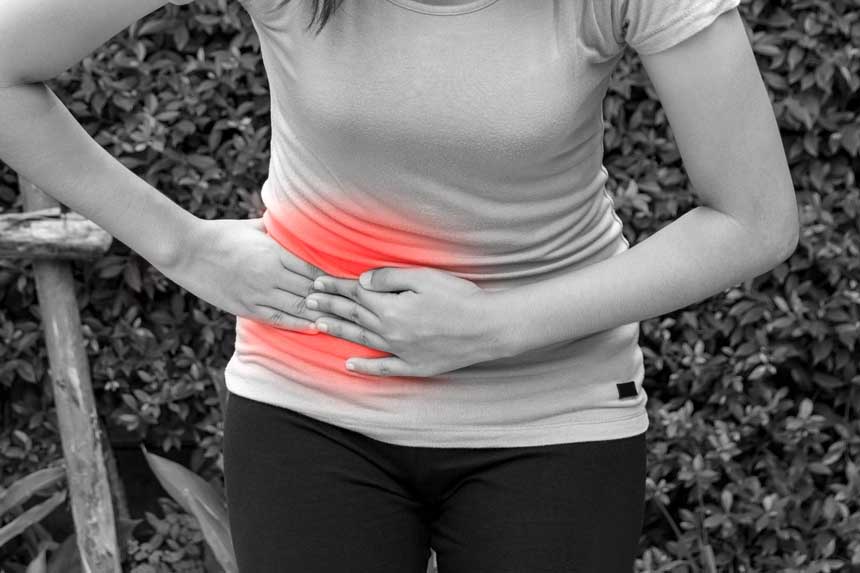
Symptoms, Diagnosis, Treatment and What Follows an Inflamed Appendix
How the symptoms usually unfold
Textbooks describe a fairly tidy sequence, and many cases do follow it:
- A dull pain that often starts around the navel, sometimes mistaken for indigestion or trapped wind
- Over several hours, the discomfort moves to the lower right abdomen, becoming sharper and worse with walking, coughing or bumps in the road
- Loss of appetite, nausea or vomiting, which tend to arrive after the ache rather than before it
- A mild fever and, occasionally, loose stools as the picture develops
That said, a surprising number of people never read the textbook. Older adults, pregnant women and anyone with an unusually positioned organ (tucked behind the bowel, for instance) can have vague or oddly placed symptoms, which is one reason a surgical opinion is worth more than an online symptom checker. Confirming the problem normally relies on a careful history, examination and blood tests. Other conditions can mimic it closely, including ovarian cysts, kidney stones and gastroenteritis, and the abdominal pain guide covers several of these.
Why the clock matters
How much delay is safe? Not much, although a few hours of observation in hospital is rarely harmful. Perforation develops in somewhere between 17% and 32% of people with the condition, that same AAFP paper reports. International WSES guidance indicates surgery should occur within about 24 hours of presentation in uncomplicated cases, a window that does not appear to raise the risk of rupture (WSES 2020 guidelines). Families sometimes wonder whether to drive to hospital at night or wait until the clinic opens in the morning. If the pain is escalating, going now is usually the better call.
Options at a glance
| Situation | Usual approach | What to expect |
| Early stage, uncomplicated | Keyhole operation under general anaesthetic | Home after one night, in most cases |
| Uncomplicated, in selected adults | Antibiotics alone | Recurrence in 39.1% by five years in one major trial |
| Burst, with peritonitis | Urgent operation plus washout | Longer stay, intravenous antibiotics |
| Walled-off mass after a late presentation | Initial antibiotic course, then delayed surgery considered | Raised likelihood of an underlying tumour |
For most people, the standard route is alaparoscopic appendicectomy, performed through small incisions of 0.5 to 1 cm. A Cochrane review found that, in adults, keyhole surgery brings less pain, fewer wound infections, shorter hospital stays and a quicker return to normal routines than the open operation (Cochrane).
Can antibiotics do the job instead? It is a fair question, and the answer is a qualified maybe. In the Finnish APPAC trial, 39.1% of adults given antibiotics for an uncomplicated case saw the problem return within five years (JAMA). Some people accept those odds quite happily; others, perhaps those who travel often or simply want the matter closed, prefer to have the operation. Neither view is wrong, exactly.
When the organ has already burst, pus can spread across the lining of the abdomen, a situation described on theperitonitis page, and the procedure then includes a thorough washout. Occasionally, the body walls off the inflamed area to form a tender mass. Operating immediately can damage surrounding bowel in that setting, so antibiotics usually come first, with a planned operation weeks later often advised. Part of the reasoning is that a hidden tumour turns up in 10 to 29% of these masses, compared with around 1% of specimens overall.
Understanding care in Cyprus
Dr Markides trained for seventeen years in the United Kingdom after graduating with honours from the University of Manchester, earning the Certificate of Completion of Training (CCT) from the General Medical Council, a Master’s in Advanced Surgical Practice with Distinction and recognition from the Association of Coloproctology of Great Britain and Ireland for his colorectal subspecialty. In 2016 he became a permanent Consultant Colorectal Surgeon at the Royal Blackburn Teaching Hospital, handling thousands of emergency and elective cases, and since relocating to Cyprus in 2018 he has performed thousands more procedures, bringing his consultant tenure to a decade across both countries.
Today he specialises in advanced bowel cancer surgery, undertaking more than 100 major colorectal oncological operations per year with a laparoscopic success rate exceeding 95%. Credentials aside, patients at the practice often mention his manner: calm, unhurried and plain-spoken, which counts for a lot when someone is frightened and in pain. The clinic, located in the Apex Building in Strovolos, welcomes patients from across the island, including Larnaca, Limassol, Paphos and the Famagusta district.
Questions People Often Ask
Can a person live normally without an appendix?
Yes, for nearly everyone. Life after the procedure is completely normal, with no special diet or long-term medication required. The organ is thought to act as a small reservoir for gut bacteria and may play a minor immune role, which is why researchers still debate its purpose, but the body compensates well once it has gone. Dr Markides explains any individual considerations beforehand, although in practice most people notice no difference at all once their wounds have healed.
How much does appendicitis surgery cost in Cyprus?
For anyone registered with GESY, the answer is simple: every cost associated with the procedure is covered, which means there is nothing to pay out of pocket for the operation, the anaesthetic or the time spent recovering on the ward. That applies equally to a straightforward keyhole removal and to a perforated case that calls for a longer admission and intravenous antibiotics, so the severity of the condition makes no difference to what a beneficiary pays. Should you have any questions about your entitlement or the admission process, the practice team can walk you through it.
Is the condition handled differently during pregnancy?
It can be. As the womb grows, it pushes the bowel upwards, so pain may sit higher than expected, and ordinary pregnancy symptoms such as nausea blur the signals further. It remains the leading non-obstetric reason for surgery in pregnancy, as the AAFP review notes. The obstetric team makes decisions about timing, anaesthetic, and whether to use a keyhole or open approach, because protecting mother and baby comes first. In general, delay tends to carry more risk than the operation itself.
When can someone drive, work or exercise after appendix removal?
Most people return to desk-based work within a few days to a week after a keyhole procedure, although manual jobs take longer. Driving is generally fine once you can stop safely and comfortably, and it is sensible to check your car insurance policy first. Heavy lifting and strenuous exercise should wait for at least six weeks to reduce the chance of a hernia developing at a wound. Recovery after perforation is slower, and a follow-up visit confirms when you can resume full activity.
Should painkillers be avoided while waiting to be seen?
Not necessarily. An old belief held that pain relief masked the warning signs and made assessment harder, but current evidence suggests appropriate analgesia does not lead to missed cases, so nobody needs to suffer in silence. It is wise, however, to avoid eating or drinking until a clinician advises otherwise, in case an anaesthetic follows, and laxatives or enemas should be avoided entirely. A hot water bottle may soothe the ache a little, yet it should never delay seeking medical advice.
Concerned about right-sided pain that is not easing?
If symptoms are severe or worsening quickly, go to the nearest hospital emergency department or dial 112. For a consultant opinion, a second view after an admission elsewhere, or follow-up once home, contact Dr Markides’ practice team on +357 22 282008 or through the online appointment form, and the team will arrange a timely review.
Need to contact us or book an appointment?
Disclaimer
The information relating to general and colorectal disorders and their treatments given on this website is not complete and is not intended as a substitute for a consultation with your doctor. Always seek medical advice from your doctor before making a decision about any of the conditions and/or treatments mentioned on this website.
© Dr Georgios Markides
Contact Information
You can always contact our Clinic for booking appointments and other useful information:
Dr. Georgios Markides,
Consultant General & Colorectal Surgeon
APEX Building, 47 Andreas Avraamides Str., 2024 Strovolos, Nicosia, Cyprus